Car Written Off: How Much Will The Insurer Pay?
How a motor insurer works out a write-off settlement, why market value is the starting point, and what evidence can affect the figure.

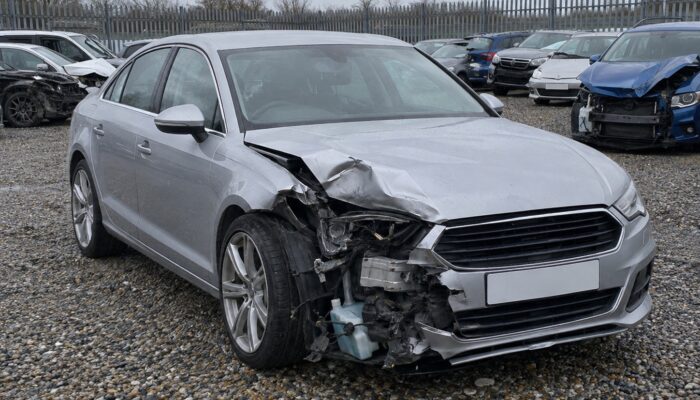
Car written off: how much will the insurer pay?
If your car has been written off, the amount you paid for it is not normally the figure your motor insurer uses to settle the claim. GOV.UK says that when a vehicle is written off, the insurer pays its current value instead of the cost of repairing it, and the insurance company decides whether the vehicle is written off.
That usually makes the key question one of market value: what was the vehicle worth immediately before it was damaged or stolen? There is no UK total loss calculator that can tell you with certainty what your insurer will pay, because the final valuation depends on the particular vehicle, the evidence available and the terms of the motor insurance policy.
The short answer: the settlement is based on market value
For most write-off claims, the starting point is the vehicle’s market value immediately before the loss, rather than its original purchase price. The Financial Ombudsman Service says most of the motor valuation complaints it sees concern disagreements about that market value.
This distinction matters because a car’s purchase price and its market value at the date of loss can be different. Even if you bought the vehicle relatively recently, the amount on your invoice does not automatically become the amount the motor insurer has to use for a total loss settlement.
A recent purchase can still be relevant evidence. The Ombudsman says that where a second-hand vehicle was purchased shortly before a claim, it would expect the insurer to take the recent purchase price into account alongside valuation guides and other evidence.
What does market value mean, and when is it measured?
The important date is the point immediately before the vehicle was damaged or stolen. The Financial Ombudsman Service describes market value as what the vehicle was worth just before the loss and has also described the concept as the retail price of a comparable vehicle from a reputable dealer immediately before the damage or theft.
That means the valuation is not based on what the car originally cost, what remains outstanding on finance or simply the value you entered when arranging motor insurance. The Ombudsman specifically notes that an estimated vehicle value given when applying for insurance is not necessarily the amount the insurer would have to pay following a claim.
The individual vehicle also matters. Its age, mileage, specification, condition, history and any relevant pre-existing damage can all form part of the evidence considered when deciding whether a valuation is fair.
Why there is no total loss car value calculator UK drivers can rely on
Searching for a total loss car value calculator UK drivers can use is understandable when an insurer has made an offer. The problem is that no public calculator can produce a guaranteed version of the insurer’s eventual settlement figure.
A valuation tool can only work from the information and data available to it. An insurer may use specialist valuation information together with evidence about the particular vehicle, while a dispute can involve further information such as dealer adverts, an engineer’s opinion, vehicle history or evidence about its condition.
The Financial Ombudsman Service does not treat vehicle valuation as a simple calculation either. It considers specialist motor valuation guides and other evidence when deciding whether an insurer has reached a fair and reasonable market value.
So a calculator result can be information to compare with an offer, but it is not an official answer that binds the insurer. The more useful question is how the insurer arrived at its figure and whether the evidence supports it.
What information can affect a total loss valuation?
When the Financial Ombudsman Service looks at a valuation dispute, it can consider information from the customer, the insurer and relevant third parties. Its published approach refers to evidence including independent engineer or expert reports, motor valuations, pre-existing damage and repair costs, and vehicle history.
A short way to think about the evidence is:
| Evidence | What it can help establish |
|---|---|
| Motor valuation information | The range of market values indicated for a comparable vehicle |
| Comparable dealer adverts | What similar vehicles are being offered for in the relevant market |
| Engineer or expert evidence | Condition, specification, modifications or other vehicle-specific issues |
| Pre-existing damage evidence | Whether a reduction in value is supported |
| Repair estimate and vehicle history | Context for the write-off decision and the vehicle’s condition or background |
Comparable adverts can be useful, particularly where they closely match the vehicle’s age, mileage and specification. They do not automatically determine market value, because an advertised price is not necessarily the final selling price.
The highest guide value can matter if the offer looks low
One of the most useful parts of the Financial Ombudsman Service’s published approach is how it deals with different motor valuation guide figures. It does not simply say that an insurer can take an average and treat that as the answer.
Where guide values differ, the Ombudsman looks at where the insurer’s valuation sits within that range. If the insurer’s figure is not the same as, or close to, the highest valuation, the Ombudsman looks for other evidence supporting the lower amount, such as appropriate comparable adverts or an expert opinion.
If the lower figure is not properly supported, the Ombudsman is likely to require the insurer to use the highest guide value. Its current consumer guidance says that where it considers a valuation unfair, it can tell the insurer to adjust it either to the highest valuation in the guides or to the value supported by other evidence, whichever is fairer in the circumstances.
For someone facing a low offer, this makes the insurer’s reasoning important. A response that simply gives a figure is different from one that explains the valuation data used and provides evidence supporting a figure below the highest guide valuation.
What evidence can you gather yourself?
The starting point is the information used to describe the vehicle. A mistake in the model, trim, specification, mileage or other material details can affect whether the comparison is genuinely like for like.
Evidence that can help you understand or challenge a valuation includes:
- copies of the insurer’s valuation information or explanation of its calculation
- comparable vehicles advertised by reputable dealers
- records showing the vehicle’s specification and relevant options
- photographs or records relating to its pre-loss condition
- an independent engineer or expert report where relevant
- evidence concerning any pre-existing damage and what it would have cost to repair
- the vehicle’s history
- the purchase invoice where a recent purchase may be relevant
Keeping the comparison close to the vehicle that was written off makes the evidence more useful. A car with materially different mileage, age, specification or condition may not provide a strong comparison even if it appears similar at first glance.
The Ombudsman generally places significant weight on specialist valuation guides because of the wider market data behind them. Other evidence still matters, particularly where the guides differ materially or do not adequately deal with the particular vehicle.
What can you do if the insurer’s offer seems too low?
A low-looking offer does not necessarily mean the valuation is wrong, but it creates a reason to examine how the figure was reached. The process can be worked through in stages rather than relying on a single online valuation.
- Ask the insurer for the basis of its valuation and the vehicle information it used.
- Check that the make, model, specification, mileage, condition and other relevant details are accurate.
- Compare the offer with available valuation evidence and genuinely comparable dealer adverts.
- Provide relevant evidence to the insurer and ask it to reconsider the valuation.
- If the disagreement remains, use the insurer’s formal complaints process.
- If the complaint remains unresolved and is eligible to be referred, the Financial Ombudsman Service can independently consider whether the valuation was fair.
The Ombudsman does not simply substitute a number because a customer prefers a higher figure. Its role is to consider whether the insurer’s valuation was fair and reasonable in light of the policy terms, valuation guides and the other available evidence.
That also means evidence can work in either direction. For example, documented pre-existing damage or relevant vehicle history may support a lower valuation where it genuinely affected the vehicle’s market value before the loss.
What happens if the Ombudsman finds the valuation was unfair?
If the Financial Ombudsman Service decides that an insurer used an unfair valuation, it can require the insurer to increase the settlement. Depending on the evidence, that can mean using the highest appropriate guide valuation or another valuation supported by stronger evidence.
Interest can also form part of putting matters right, and the rate the Ombudsman uses depends on when the complaint was referred to it.
What happens to outstanding finance if the car is written off?
The market value of the car and the settlement figure on a finance agreement are separate amounts. A motor insurer values the vehicle for the insurance claim, while the lender calculates what remains payable under the finance agreement. Car On Finance Written Off sets out that position in full.
If the motor insurance settlement is lower than the amount required to settle the finance agreement, that creates a financial shortfall to be dealt with under the terms of the agreement and any relevant insurance already in place. The fact that more is owed to a lender does not, by itself, increase the vehicle’s market value.
Obtaining the lender’s settlement figure makes it possible to compare the finance position with the motor insurance settlement. That comparison is also relevant where an eligible GAP insurance policy was already in force before the total loss.
Where GAP insurance can sit if it was already in place
GAP insurance is separate from the motor insurer’s valuation process. Insureworks Ltd is an appointed representative of Your Company Matters Ltd and distributes GAP insurance on a non-advised basis. Insureworks is not the motor insurer, does not value the vehicle, does not underwrite the GAP cover and does not pay claims.
Financial & Legal Insurance Company Limited underwrites the GAP insurance policies distributed by Insureworks and is responsible for eligible claim payments under the policy terms. Where an eligible Return to Invoice GAP policy was already in place before the total loss, it may respond to the eligible difference between the motor insurance settlement and the original vehicle invoice price, or in relevant circumstances to an eligible lender settlement amount.
The most payable under that cover is the Maximum Benefit shown in the policy schedule, and each policy has its own eligibility conditions, terms and exclusions. Costs unrelated to the finance agreement, missed payments, arrears and interest on arrears are listed as not insured. The product documentation supplied to Insureworks also requires the necessary claim documents to be provided within 120 days of the total loss.
GAP cover cannot be purchased retrospectively after the vehicle has already been written off. A vehicle that has previously been declared a total loss or write-off is also not eligible for these policies, so GAP insurance is not a way of addressing an uninsured shortfall after the event.
FAQs
Car written off: how much will I get?
There is no fixed figure that applies to every written-off car. For most motor policies, the settlement starts with the vehicle’s market value immediately before it was damaged or stolen, rather than the amount originally paid for it.
The insurer decides the valuation using the information and evidence relevant to the individual vehicle. If that valuation is disputed, the Financial Ombudsman Service can consider whether the insurer’s figure was fair and reasonable.
Is there a total loss car value calculator UK insurers have to follow?
No single UK calculator produces a binding total loss settlement for an insurer. Specialist valuation guides can form an important part of the evidence, but the vehicle’s individual circumstances and other supporting information can also matter.
The Ombudsman uses valuation guides as a starting point when considering disputes. Where a lower valuation is not supported and is not close to the highest guide figure, the highest guide valuation can become particularly important.
Is a write-off payment based on what I originally paid for the car?
Usually not. The motor insurance settlement is generally based on market value immediately before the loss rather than the original invoice price.
A recent purchase price can still be relevant evidence, particularly where the vehicle was bought shortly before the loss. It does not automatically replace the market-value assessment.
What if my insurer’s write-off valuation looks too low?
You can ask the insurer how it reached the valuation, check the vehicle details it used and provide evidence supporting a different market value. Comparable dealer adverts, valuation information and relevant expert evidence can all form part of that discussion.
If the matter is not resolved through the insurer’s complaints process, an eligible complaint can be referred to the Financial Ombudsman Service. The Ombudsman considers whether the valuation was fair rather than simply accepting either party’s preferred figure.
What happens if I still owe finance on a written-off car?
The lender’s settlement figure and the vehicle’s market value are separate. If the motor insurance settlement does not equal the amount required to settle the finance agreement, there can be a difference remaining between those figures.
Where eligible GAP insurance was already in force, the relevant policy may respond to part or all of an eligible shortfall, subject to its terms and Maximum Benefit. The motor insurer’s valuation itself remains a matter for the motor insurer.
Can I buy GAP insurance after my car has been written off?
No. GAP cover cannot be bought retrospectively to cover a total loss that has already happened.
A vehicle previously declared a total loss or write-off is also not eligible for the GAP insurance policies distributed by Insureworks. What Is A Total Loss In Car Insurance? and Will My Car Be Written Off? cover how that decision is reached. Eligibility and any claim are determined by the applicable policy documentation, and Insureworks distributes the cover on a non-advised basis.