
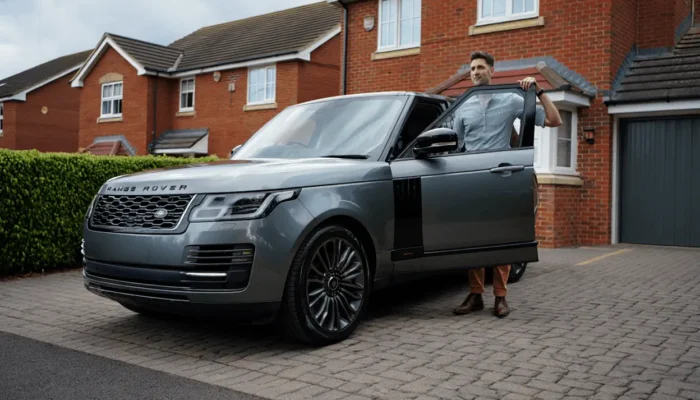
GAP Insurance can cover negative equity on Range Rover finance agreements, but only in certain situations. It is also dependent on the type of policy chosen and the terms within that agreement. If the negative equity is part of your current finance agreement, many GAP policies will include it.
Insureworks can arrange return to finance GAP insurance quotes on a non-advised basis and is underwritten by specialist insurers. Insureworks Ltd is an appointed representative of Your Company Matters Ltd, which is authorised and regulated by the Financial Conduct Authority (FCA).
What is Negative Equity and Why it Matters
Having negative equity means the car’s current market value is less than the outstanding finance on the deal. It’s quite a common situation for drivers to find themselves in, especially when using premium vehicles like Range Rovers. It’s also common to experience negative equity during the early stages of the finance agreement.
This is because the car’s market value drops as soon as you roll off the forecourt. Unfortunately, the outstanding balance doesn’t drop as quickly. With higher-value cars, even a small percentage difference can add up to a large amount of money. This is why a lot of drivers consider whether GAP insurance can cover negative equity if they own a Range Rover.
Negative equity matters to drivers because it could leave a significant financial shortfall if the car is written off or stolen and not recovered.
Can GAP Insurance Cover Negative Equity?
Return-to-finance GAP insurance can cover negative equity, depending on the policy terms. If the negative equity is created by the loan on the car covered by the policy, then GAP Insurance will usually cover it.
It focuses on clearing the difference between your insurer’s payout and what you still owe. In these cases, GAP may be able to wipe your slate clean rather than leaving you with those annoying monthly payments or an outright sum after a write-off.
An Example Of How GAP Insurance Covers Negative Equity
Putting some numbers on the situation can help. Let’s say you put down a £1,000 deposit on a £20,000 car. That leaves £19,000 to finance over 5 years at 5% interest per annum. If your car is written off after 30 months, your motor insurer will pay the market value. At the time, the car’s value had dropped to £9,000.
Your finance balance is at £10,735, leaving you with a negative equity of £1,735. As the negative equity has been created by the car on the agreement and cover, GAP insurance will usually cover the negative equity.
Are There Situations Where GAP Insurance Won’t Cover Negative Equity?
Yes, there are situations where GAP insurance won’t cover negative equity. GAP won’t cover negative equity if it has been carried over from a previous car’s finance agreement. If the negative equity cannot be tied to the car in question, then it is usually rejected.
GAP insurance will also not cover missed or deferred payments. It will not cover the interest related to those. The same goes for payment holidays. This is because they are not related to the car’s depreciation in the market.
There may also be overall claim limits. With a high-value Range Rover, it is worth checking whether the maximum payout comfortably covers your potential shortfall.
The usual eligibility criteria for GAP Insurance will still apply. This includes holding a valid and full UK driver’s licence and comprehensive motor insurance.
FAQs about Negative Equity and GAP Insurance
We know you might have questions about negative equity and how it works with GAP insurance. The following FAQ section aims to break down the topic and help you know where you stand and whether you’ll be covered.
How does GAP Insurance Work if you have Negative Equity?
If you have negative equity on a car that is stolen or written off, then GAP Insurance may cover the difference.
Does GAP Insurance Always Cover Negative Equity?
GAP insurance doesn’t always cover negative equity. It usually depends on where the negative equity originated. If the negative equity has been transferred from a previous car, then it will not cover that. As always, it depends on the type of negative equity, the type of cover you’ve opted for and the terms within that GAP cover policy.
Which Type of GAP Insurance is Better for Negative Equity?
In most cases, return to finance GAP insurance is best in terms of covering negative equity. It is designed to cover the outstanding balance, which is where negative equity usually sits.
Expert Insight
“Negative equity is more common than people realise, especially when upgrading to higher-value vehicles like Range Rovers. The key is making sure your GAP policy matches your finance agreement; you could still be left with a gap.”
Nick, Insurance Specialist at InsureWorks
Wanting to sort Used Range Rover GAP Insurance?
Getting a quote for Range Rover GAP insurance is quick and straightforward with Insureworks. There’s no jargon, and no faff. We will arrange cover quickly. All you need to do is answer a few questions about yourself and the vehicle.