Toy Shop Insurance for the Shop Itself

This is cover for the shop and what is in it: the premises, the fit-out, the stock on the shelves and the takings. Products liability is one of the sections, which matters here more than in most shops because you sell to children. How product recall is treated is the thing to confirm.
Get Your Retail Business Insurance Quote It only takes a few minutes
Quick and easy checkout
No hidden fees
Online and phone support

Toy Shop Cover Explained

  • For toy retailers in Great Britain, where the trade is on the accepted list.

  • Products liability is one of the sections. For this trade it is the important one.

  • Confirm how product recall is treated. It is commonly handled as a cover of its own.

  • Only the sections shown as selected in your Policy Schedule apply, subject to terms and limits.

Retail Insurance for Toy Shops: What Cover Can Include

The Lukango retail business insurance product can include property damage, public and products liability, business interruption following insured damage, money and assault and goods in transit. For a toy shop that means the premises and the fit-out, the stock on the shelves and in the stockroom, the takings, the trade lost if the shop cannot open, and liability for what you have sold. Each section is subject to eligibility, terms, exclusions, excesses and limits.

Premises
Shelving
Stock
Customers
Takings

Products liability

Can help with certain third-party claims arising from the toys and goods you have sold.

Public liability

Can respond to certain third-party injury or damage claims arising at the shop.

Property damage

May cover insured damage to buildings, contents and stock at the named shop premises.

Business interruption

May cover trade lost following insured damage that stops the shop opening.

Money and assault

Can include theft, attempted theft or robbery of business money, plus defined assault benefits.

Goods in transit

May cover eligible stock while in transit within Great Britain, including loading and unloading.

Choosing the Right Toy Shop Insurance Cover

Start with products liability, because for this trade it is the section that earns its place. You sell to children, and claims arising from what you have sold are what a toy retailer worries about. Then settle the one the six sections do not mention: what happens when a supplier recalls a line and you have to pull it off the shelf. After that it is a numbers job, and the number that matters is your November stock, not your average.

Products liability is included

And for a toy shop it is the important one

You sell goods that children handle, so the section covering claims arising from what you have sold matters more here than almost anywhere. It is one of the six sections in this product.

When a line gets recalled

The thing the six sections do not mention

Pulling stock off the shelf, contacting buyers and shipping it back has a real cost. Product recall is commonly a cover of its own, so confirm how it is handled before you quote.

Product safety is not insurance

And no policy changes that

Age grading, safety marking and acting on a supplier's recall notice are legal obligations that sit outside any policy. Nothing here reduces them, and good practice prevents most claims.

November against February

Value the peak, not the average

A toy shop before Christmas holds several times what it holds in the spring. Set the stock sum insured against the peak, because that is when a fire or a break-in costs most.

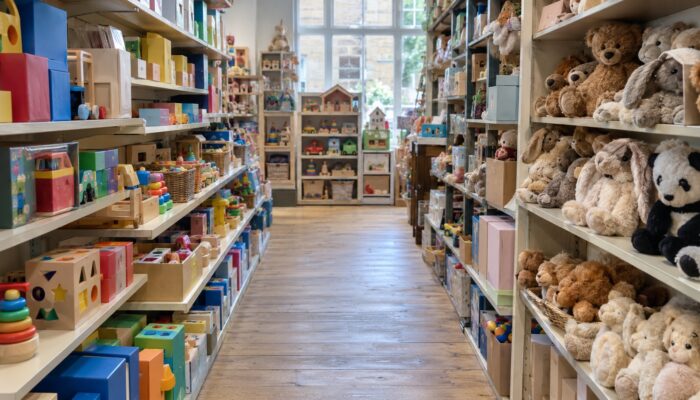
An aisle in a toy shop with boxed wooden toys on one side and soft toys on the other

Toy Retail Insurance: Premises, Stock and Liability

Toy shop insurance under this product is cover for the shop and the business property in it. Property damage can include buildings, contents and stock at the premises named in your Schedule, where the section is selected and the loss is caused by an insured peril. That is the fit-out, the shelving and the stock on the floor and in the stockroom. Products liability can respond to certain claims arising from the toys you have sold, and public liability to injury or damage to a third party at the shop. How product recall is treated is a separate question for the quote. The Policy Schedule confirms which sections apply and their limits.
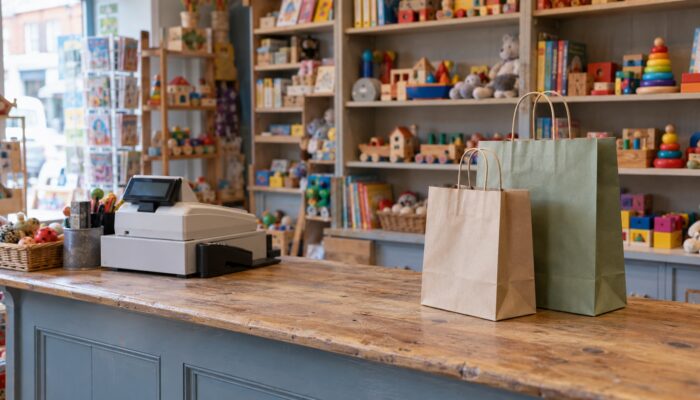

A toy shop counter with a till and two plain paper gift bags, shelves of toys behind

Why Find Toy Shop Insurance Through Insureworks?

Insureworks is here to make finding insurance simple and transparent, and for a toy shop that means saying which section actually matters. Products liability is part of this product, and when you sell goods that children handle it is the one to read first. The gap to raise at quote stage is recall: when a supplier withdraws a line you still have to get it back off the shelf, and the six sections do not mention that. Your safety obligations sit outside any policy either way. This page is information only and is not personal advice. Insureworks is not the insurer and does not underwrite or pay claims.

How Toy Shop Cover Works

  • Confirm how product recall is treated, because it is commonly a cover of its own rather than part of these sections.
  • Set the stock sum insured against what you hold in the run up to Christmas rather than against an annual average figure.
  • Review the IPID, Policy Schedule and policy wording to understand the selected cover, its limits, excesses, conditions and exclusions.
  • Notify a claim as soon as possible, provide requested evidence and report theft, malicious damage or criminal acts to the police.

Toy Shop Insurance FAQs

Four questions we are asked most often about insuring a toy shop.

That is the question to settle before you rely on anything here. Product recall, meaning the cost of pulling stock off the shelf, contacting buyers and returning it, is commonly handled as a cover of its own and the six sections in this product do not mention it. Get it confirmed in writing at quote stage rather than assuming either way.

Products liability can respond to certain third-party claims arising from the goods you have sold, where that section is shown as selected in your Policy Schedule and subject to its terms, limits and exclusions. For a toy retailer it is usually the section worth reading first. It does not replace your product safety obligations, which sit outside any policy.

No. Age grading, safety marking, record keeping and acting on a supplier’s recall notice are legal obligations and no insurance policy changes them. They sit alongside cover rather than inside it, and getting them right is what stops most claims happening in the first place. The policy responds to claims, not to compliance.

Against the peak rather than the average. A toy shop in November holds several times what the same shop holds in February, and a fire or a break-in at the wrong moment is exactly when the difference bites hardest. Review the figure at renewal and whenever your buying pattern changes materially.

Latest Retail Business Insurance Content