Supermarket and Convenience Store Insurance

Supermarkets and convenience stores carry fast-moving stock, handle cash all day and often hold an alcohol licence. We have partnered with Lukango on a retail business insurance product for stores in Great Britain. Cover is subject to the Policy Schedule, terms, conditions, exclusions and limits.
Get Your Retail Business Insurance Quote It only takes a few minutes
Quick and easy checkout
No hidden fees
Online and phone support

Supermarket Business Cover Explained

  • For supermarkets, convenience stores and general food retailers in Great Britain, where the trade appears on the accepted list.

  • Only the sections shown as selected in your Policy Schedule apply, subject to terms, exclusions and limits.

  • Stock turns over quickly in food retail, so sums insured set months ago may not match what is on the shelves today.

  • Cash handling and an alcohol licence are two exposures most store owners weigh up before choosing sections.

Retail Insurance for Supermarkets: What Cover Can Include

The Lukango Retail Business Insurance product can include property damage, public and products liability, business interruption following insured damage, money and assault, goods in transit and loss of licence. For a supermarket that typically means the building and its contents, the stock on the shelves, liability to customers in the aisles, the goods you sell and the takings you handle. Each section is subject to eligibility, terms, conditions, exclusions, excesses, limits and sub-limits.

Buildings
Stock
Contents
Injury
Theft

Property damage

May cover insured damage to buildings, contents and stock at the named store premises.

Public and products liability

Can help with certain legal liabilities for third-party injury or damage, including food you supply.

Business interruption

May cover loss of turnover following insured damage that interrupts trading at the premises.

Money and assault

Can include theft, attempted theft or robbery of business money, plus defined assault benefits.

Goods in transit

May cover eligible goods while in transit within Great Britain, including loading and unloading.

Loss of licence

Can cover financial loss following suspension, withdrawal or refusal to renew an alcohol licence.

Choosing the Right Supermarket Insurance Cover

Before buying supermarket insurance, customers should compare the cover available with their own trading activities, the premises they operate from, stock levels, annual turnover, how cash is handled and their alcohol licence position. It is also important to read the IPID, the Policy Schedule and the full policy wording, paying close attention to exclusions, excesses, limits, sub-limits and conditions. This page provides information only and does not recommend a particular policy or level of cover.

Stock that moves fast

Shelves refill weekly

Food retail stock turns over quickly and seasonal peaks lift it further. A sum insured set in a quiet month may not reflect what is in the store today.

Cash through the tills

Takings, floats and banking runs

The money section covers business money within defined limits and includes assault benefits. Consider your daily takings, where cash is held and how often it is banked.

Customers in the aisles

Spills, trolleys and busy Saturdays

Public liability relates to injury or damage to third parties on your premises. Consider footfall, floor surfaces at peak times and the limits in your Policy Schedule.

The alcohol licence

Suspension, withdrawal or refusal

Loss of licence covers financial loss where a licence is suspended, withdrawn or not renewed. Worth checking if a material share of turnover depends on it.

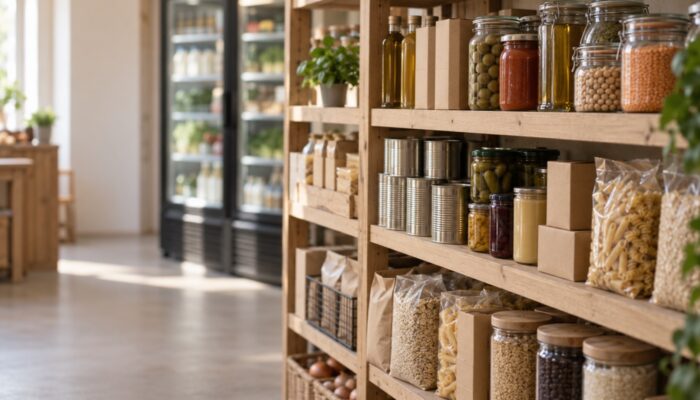
Shelves of jars, tins and packaged dry goods in a small food shop, chilled cabinet behind

Convenience Store Insurance: Stock, Premises and Liability

Retail shop insurance can bring several practical risks into one policy framework. For this product, property damage can include buildings, contents and stock where the section is selected and the loss is caused by an insured peril. Stock can include raw materials, work in progress and finished goods. Some property extensions may apply, such as fixed glass and signage, replacement locks and seasonal stock increase, but only within the wording limits. The Policy Schedule remains key: it confirms which sections apply, the sums insured, excesses, sub-limits and any endorsements. It should be checked before purchase and after business changes.
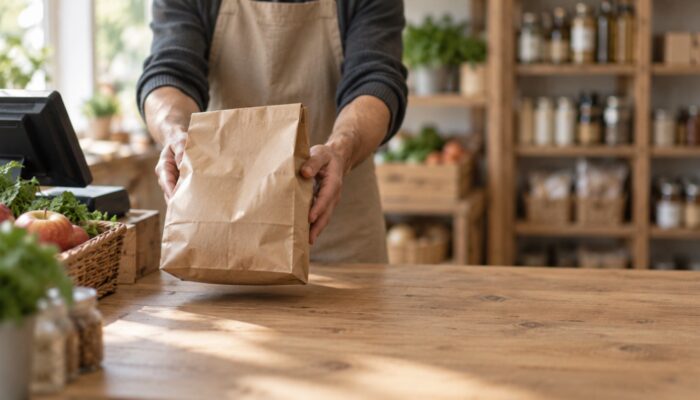

Shopkeeper handing a paper bag across a timber counter beside a basket of apples

Why Find Grocery Store Insurance Through Insureworks?

Insureworks is here to make finding insurance simple and transparent. For small business retail insurance, that means partnering with insurers who are able to explain covered areas, common restrictions and policy documents in plain English, without implying every retail business needs the same cover. This page is information only and is not personal advice. Insureworks is not the insurer and does not underwrite or pay claims. Before buying, customers should review the IPID, Policy Schedule and policy wording, and make sure they understand the selected sections, limits, excesses and exclusions.

How Supermarket Business Cover Works

  • Choose the cover sections that appear relevant to the store, such as property, liability, money or loss of licence, where available.
  • Review the IPID, Policy Schedule and policy wording to understand the selected cover, its limits, excesses, eligibility conditions and exclusions before buying.
  • Provide complete and accurate information when arranging, renewing or changing the policy, including your business activities, the premises and any material changes.
  • Notify a claim as soon as possible, provide requested evidence and report theft, malicious damage or criminal acts to the police.

Supermarket Insurance FAQs

Four questions we are asked most often about insuring a supermarket or convenience store.

Stock held for sale in a supermarket or convenience store can be included under the property damage section, where that section is shown as selected in your Policy Schedule. Cover responds to insured perils rather than to every cause of loss, and excesses, limits and sub-limits apply. The sum insured should reflect the value of stock actually held, which in food retail can change week to week.

The money and assault section can include theft, attempted theft or robbery of business money, together with defined assault benefits for you or your staff. Limits apply and they differ depending on where the money is and how it is held, so the Policy Schedule is the place to check. Security and safe conditions in the policy wording must also be complied with.

The loss of licence section can cover financial loss following the suspension, withdrawal or refusal to renew an alcohol licence, where that section is selected. Written evidence of the licensing authority’s decision must be supplied within 30 days of the date of loss. If a meaningful share of your turnover depends on alcohol sales, this section is worth considering carefully.

If the premises are left unoccupied for more than 30 consecutive days, cover is restricted and only limited cover applies, as set out in the policy wording. That matters for stores that close for refurbishment or for an extended holiday period. It is one of the first conditions to check with your Policy Schedule if the store will stand empty.

Latest Retail Business Insurance Content