Clothing Shop Insurance for the Shop Itself

This is cover for the shop and what is in it: the premises, the fit-out and rails, the stock on the floor and in the stockroom, the takings and liability to customers. Of all the trades on this product it is one of the most straightforward, because clothing is exactly what a retail policy means by stock.
Get Your Retail Business Insurance Quote It only takes a few minutes
Quick and easy checkout
No hidden fees
Online and phone support

Clothing Shop Cover Explained

  • For clothing and fashion retailers in Great Britain, where the trade is on the accepted list.

  • No unusual restriction on this trade. Stock is stock, and the cover is the ordinary retail shape.

  • Theft is the loss this trade meets most, so read the property damage and money sections closely.

  • Only the sections shown as selected in your Policy Schedule apply, subject to terms and limits.

Retail Insurance for Clothing Shops: What Cover Can Include

The Lukango retail business insurance product can include property damage, public and products liability, business interruption following insured damage, money and assault and goods in transit. For a clothing shop that means the premises and the fit-out, the rails, mirrors and changing rooms, the stock on the floor and in the stockroom, the takings and the trade lost if the shop cannot open. Each section is subject to eligibility, terms, exclusions, excesses and limits.

Premises
Rails
Stock
Customers
Money

Property damage

May cover insured damage to buildings, contents and stock at the named shop premises.

Public and products liability

Can help with certain third-party claims arising at the shop, and goods sold.

Business interruption

May cover trade lost following insured damage that stops the shop opening.

Money and assault

Can include theft, attempted theft or robbery of business money, plus defined assault benefits.

Goods in transit

May cover eligible stock while in transit within Great Britain, including loading and unloading.

Property extensions

May include fixed glass, mirrors and signage, within the limits in the wording.

Choosing the Right Clothing Shop Insurance Cover

Clothing retail is one of the more straightforward trades on this product, so the questions here are about numbers rather than about whether cover reaches your stock at all. Two of them matter more than the rest: what your stock is genuinely worth at the point in the season when it peaks, and how theft is treated, because shoplifting and break-ins are what this trade actually meets. Read the IPID, Policy Schedule and full wording.

Stock peaks, then halves

Value it at the top, not the average

A clothing shop before a season launch holds far more than the same shop in a sale week. Set the sum insured against the peak, because that is when a break-in hurts most.

Theft is the everyday loss

Shoplifting, break-ins, the till

This is the trade where theft is routine rather than exceptional. Read how the property damage section treats stolen stock and how the money section treats the takings.

Changing rooms and customers

People on the shop floor, regularly

Public liability can respond to certain third-party injury or damage claims arising at the shop. With customers moving between rails, mirrors and fitting rooms, it earns its place.

If you also do alterations

Tailors is a separate accepted trade

Alterations on customers' own garments is its own occupancy on the accepted list. If that is a real part of your week rather than an occasional favour, raise it when you quote.

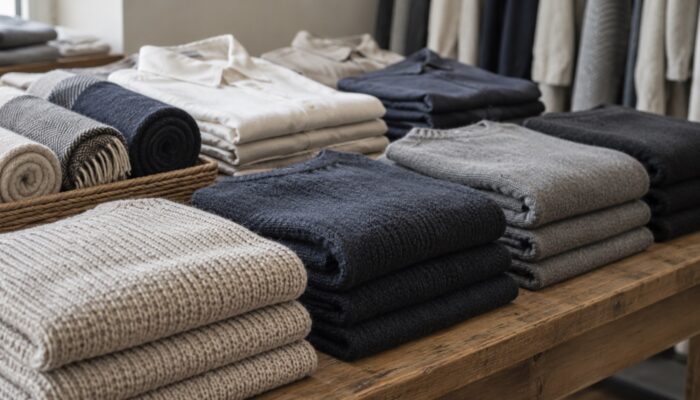
Stacks of folded knitwear and shirts in neutral tones on a timber display table in a clothing shop

Clothing Retail Insurance: Premises, Rails and Stock

Clothing shop insurance under this product is cover for the shop and the business property in it. Property damage can include buildings, contents and stock at the premises named in your Schedule, where the section is selected and the loss is caused by an insured peril. That is the fit-out, the rails and mirrors, the changing rooms, and the garments held for sale both on the floor and in the stockroom. Public and products liability can respond to certain third-party claims at the shop and arising from what you have sold. The Policy Schedule confirms which sections apply, the sums insured, excesses and sub-limits.
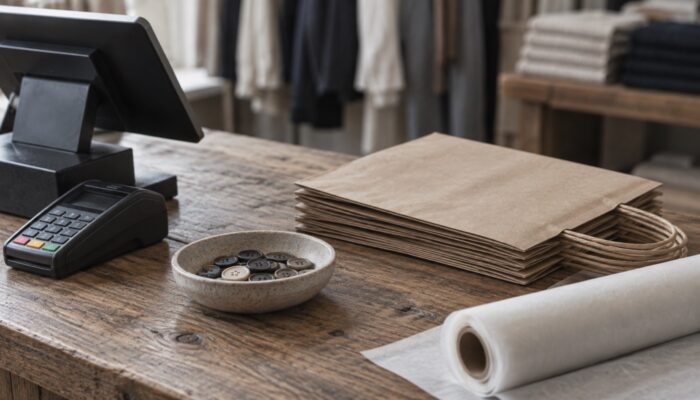

A clothing shop counter with a card reader, paper carrier bags, tissue paper and a dish of spare buttons

Why Find Clothing Shop Insurance Through Insureworks?

Insureworks is here to make finding insurance simple and transparent, and on this page that is a shorter job than usual. Several trades on this product carry a restriction worth spelling out. Clothing retail does not: the stock is your own, it does not spoil and it is not alive, so it is the ordinary retail shape and the work is getting the numbers right rather than checking whether cover reaches you. This page is information only and is not personal advice. Insureworks is not the insurer and does not underwrite or pay claims.

How Clothing Shop Cover Works

  • Set the stock sum insured against what you hold at the peak of your season rather than an annual average.
  • Review the IPID, Policy Schedule and policy wording to understand the selected cover, its limits, excesses, conditions and exclusions.
  • Provide complete and accurate information when arranging, renewing or changing the policy, including your activities and any material changes.
  • Notify a claim as soon as possible, provide requested evidence and report theft, malicious damage or criminal acts to the police.

Clothing Shop Insurance FAQs

Four questions we are asked most often about insuring a clothing shop.

Garments held for sale can be included as stock under the property damage section where that section is selected, at the premises named in your Schedule and subject to the sum insured and any limits. Clothing is straightforwardly the kind of thing a retail policy means by stock, so the work here is setting the figure honestly rather than checking whether it counts.

Theft is an insured peril under the property damage section where it is selected, and the money and assault section deals separately with business takings. This is the trade where theft is routine rather than rare, so both sections are worth reading properly, along with any conditions about security, locks and alarms that apply to your policy.

Set it against the peak rather than the average. A clothing shop holds far more before a season launch than in a sale week, and a fire or a break-in at the wrong moment is exactly when the difference bites. Review the figure at renewal and whenever your buying pattern changes materially.

It is worth raising at quote stage. Tailors is its own occupancy on the accepted list, so a shop doing meaningful alterations on customers’ own garments is arguably trading in two. It is not a problem to mention, it is simply a question about which trade you are, and it is far better answered at the quote than assumed.

Latest Retail Business Insurance Content