
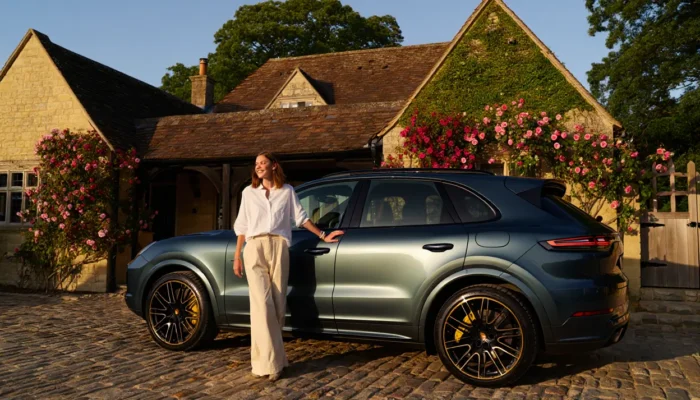
Your brand-new motor looks, feels and smells soooo good. You promise yourself you’ll look after it, but sometimes an unexpected event that writes off the car can pull the plug on your enjoyment. GAP insurance can act as a saving grace and protect your bank account, so you get back on the road as soon as possible.
This guide answers the question: What is GAP insurance? We’ll also explore what GAP insurance does and summarise the types of cover available for you. It’s only natural to have doubts if you’re making a significant investment in your dream car, but GAP can help provide peace of mind. So, what is GAP cover?
What is GAP insurance?
GAP insurance (Guaranteed Asset Protection) is a policy designed to cover the financial shortfall if your car is written off or stolen and not recovered. It can provide a financial safety net, so you can get back on the road without a financial sting.
It’s not something that many people think about when buying a new car. The excitement of driving away and showing off your shiny new motor to friends and family can easily cloud your judgement. But sometimes, unexpected events do happen.
As soon as you roll off the forecourt, the value of your car starts to drop faster than ice cream melting on a hot dashboard. As a rough guide, a new car can lose 20 to 30% of its value within 12 months. A scary thought.
If your car is then written off or stolen, your standard motor insurer will only pay what the car is worth on the day of the incident. The current market value is going to be eye-wateringly less than the amount you paid for the car in the first place.
Let’s put some numbers on it. If you paid £60,000 for a brand-new car, it might only be worth around £42,000 after 12 months of driving. If it is written off or stolen and not recovered, your payout will leave you £18,000 out of pocket. This is where GAP can potentially save the day.
What does GAP insurance do?
Think of GAP as a bridge. It can bridge the gap between what your main car insurer pays out and what you originally paid or still owe on the financial agreement.
Your standard motor insurer will consider the current market value of your car, the age of the vehicle and the mileage. They may also look at the market demand and make a payout based on those aspects.
Comprehensive car insurance ignores some pretty important aspects from a customer’s point of view. It will not care about what you originally paid for the car or how much deposit you put down when you started your finance or lease agreement. It will not even consider the remaining balance on your agreement, so you could be left paying for thin air.
GAP prevents you from having the following nightmares:
- You could end up out of pocket
- Still paying the car finance monthly, with no car to drive
- Being unable to afford a like-for-like replacement, and having to settle for a car you do not like or that doesn’t cover your needs
Understanding what GAP insurance does and the different types of GAP is vital.
What is return to invoice GAP insurance?
If your car is written off or stolen, your insurer will usually pay its current market value. Because of depreciation, that figure could be thousands less than the price you originally paid.
That’s where Return to Invoice GAP insurance comes in. It’s designed to cover the difference between your insurer’s payout and the original invoice price, helping you avoid being left out of pocket after a total loss.
What is return to finance GAP insurance?
One minute, you could be making the monthly payments and having a brilliant car to drive. If the worst suddenly happens and your car is written off, you could still end up being forced to make the monthly payments without the driving enjoyment. Instead, you’ll get the painful monthly reminder of a hefty sum leaving your bank account for no apparent reason.
If the car is written off or stolen, your insurer will only pay its current market value. Due to pesky depreciation, it probably won’t be enough to clear your outstanding balance. That’s where return to finance GAP insurance can work its magic.
When is GAP most useful?
GAP insurance is most relevant if you have bought a brand-new car that has stretched your finances or have agreed a finance deal with a small deposit and hefty monthly payments. The last thing you want is to be making those payments for a car sitting in the scrap yard, and GAP could help prevent you from doing that.
All cars suffer from depreciation, but some have steeper declines than others. If you have a car that will rapidly depreciate, you may also find GAP to be extremely helpful. If you are a financial worrier, and your concern about payments will strip away the enjoyment of driving, then GAP can help give you peace of mind.
Typically, new cars will lose value faster than used cars. But that doesn’t make second-hand deals immune to depreciation. It’s understandable if you want to protect yourself financially if you have plunged for an expensive second-hand car.
GAP insurance is not suitable for everyone. If you have paid a large cash deposit and your monthly repayments are relatively low, then it might not be much of a concern. A large cash deposit usually means the length of the term is not that long either. Users of a low-value second-hand car are also unlikely to receive substantial benefits from having GAP. You should also check your main insurance policy. It’s rare, but some insurers offer new car replacements if the worst happens within the first 12 months.
GAP insurance is not a legal requirement in the United Kingdom.
What doesn’t GAP Insurance do?
It’s important to note that GAP insurance does not replace your standard motor insurance. You are legally required to have at least third-party motor insurance to drive on UK roads, so this is a priority. It will not cover mechanical breakdowns.
GAP does not kick in if you have an accident and the car is repairable. You can only claim if your car has been written off, or stolen and not recovered.Now that you know what GAP insurance is, you can decide whether it’s right for you. InsureWorks makes it super easy to get a GAP quote, so you can sort your cover quicker than peak Max Verstappen off the starting line.