
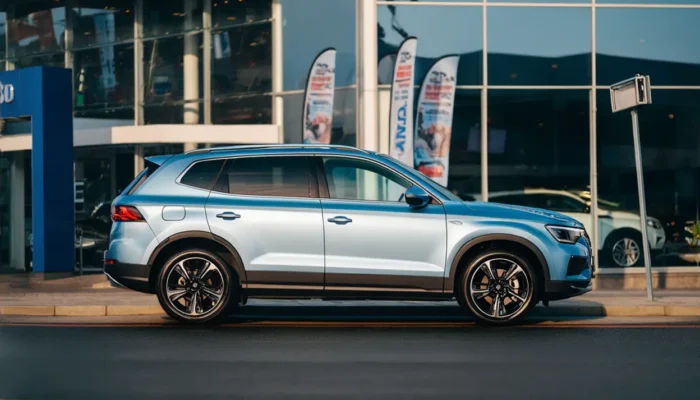
Having a shiny new motor is exciting. It’s easy to get carried away and hit the road as soon as possible, but there’s one more question that many people have after purchasing a new wagon. Do I need GAP insurance for a new car? GAP insurance is not a legal requirement, but some drivers explore the potential policies as GAP may provide a financial safety net if the worst were to happen.
New car depreciation is annnnoying. The value of a brand-new car can drop like a stone. The amount the car is worth starts to slide from the moment you turn the engine on for the first time. That may end up catching drivers out if the car is written off or stolen without recovery. Standard insurance policies usually pay out on the market value of the car at the time of the incident.
This article will explore whether or not you need GAP insurance for a new car, and when people often consider whether GAP will be relevant for them. The guide will also answer the question: Is gap insurance only for new cars?
Depending on the policy, GAP may cover the financial shortfall. InsureWorks arranges GAP insurance quotes on a non-advised basis. Insureworks Ltd is an appointed representative of Your Company Matters Ltd, which is authorised and regulated by the Financial Conduct Authority (FCA).
New car depreciation
New cars tend to lose value more quickly than second-hand cars. As soon as it leaves the forecourt, the status of the car changes from “new” to “used”. This can slash thousands off the value. This will then continue to fall as the mileage increases. Depreciation research from the AA suggests the average new car will lose 40% of its value after three years of driving (assuming 10,000 miles/year).
Let’s put some numbers on it. If you purchase a new car for £50,000, it will, on average, only be worth around £30,000 after three years. That’s a potential shortfall of £20,000 compared to what you originally paid for the car.
It might not be something you think about when buying a new car, but sometimes the worst does happen. If the car is involved in an accident and is written off, the standard motor insurance will usually base its payout on the market value. By applying the general maths around depreciation, this will be significantly less than what you paid.
If you have the car on finance, the impact may be more damaging. Depending on the finance agreement in place, you may still have to pay the outstanding monthly payments. This may leave you with a monthly reminder of the car you wish you could drive.
Steps to minimise new car depreciation
There are steps drivers may be able to take to minimise depreciation for new cars. Although it’s limited, some drivers choose to do this for several reasons. It may help if you’re planning on selling it after a short period of time. It may also help if the worst were to happen.
Where possible, drivers can keep the car in very good condition by ensuring that it is serviced regularly, repairs are completed quickly, and the mileage is kept as low as possible. But that will only provide so much of a defence against depreciation.
GAP insurance for new cars
This is why some drivers explore their GAP insurance options. Even though it’s not a legal requirement, some drivers explore the options available to them because it may help provide financial support during a difficult time. GAP insurance is designed to cover the difference between the amount paid out by a motor insurer and either the original purchase price of the vehicle or the remaining finance balance. The exact cover depends on the type of GAP policy chosen.
Many drivers ask: Do I need gap insurance for a new car? The answer is no, GAP insurance is not a requirement. Unlike standard motor insurance, where you need at least third party cover, you do not need GAP insurance to drive on UK roads. Some drivers feel comfortable relying on standard insurance, while others will explore GAP insurance options.
InsureWorks makes it simple to compare GAP insurance quotes. Without the jargon and faff, InsureWorks helps make the process easy and quick. We arrange GAP insurance on a non-advised basis as an appointed representative of Your Company Matters Ltd. Policies are underwritten by a panel of insurers (shown at the quote stage).
Is GAP insurance only for new cars
No, GAP insurance is not only for new cars. Many drivers who have second-hand cars opt to secure GAP Insurance as it may help protect them from a financial sting. This is because the effects of depreciation still happen to second-hand cars.
Although the rate of depreciation is typically slower compared to brand-new vehicles rolling out of the factory, the value will continue to drop over time. For some drivers, a second-hand car may still represent a significant investment. A second-hand car doesn’t necessarily mean old. As with new vehicles, eligibility will depend on the age and mileage of the car and the terms set by the insurer.For those who want to explore their options, InsureWorks provides information to help drivers compare GAP insurance quotes. Without the jargon and faff, InsureWorks helps make the process easy and quick. We arrange GAP insurance on a non-advised basis as an appointed representative of Your Company Matters Ltd. Policies are underwritten by a panel of insurers (shown at the quote stage).