
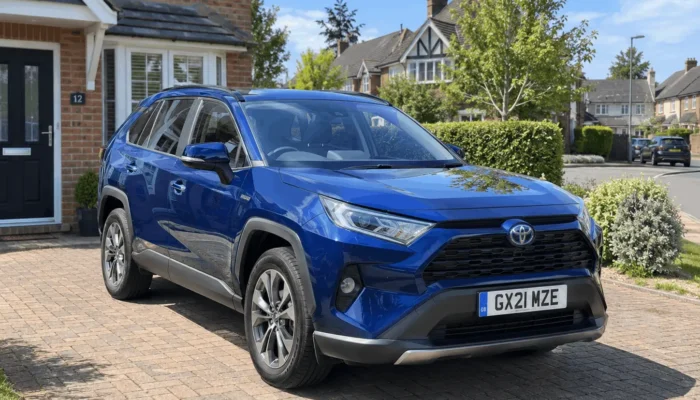
For some Toyota drivers, GAP insurance may be worth considering if they could be left with a significant financial shortfall after their car is written off or stolen and not recovered. For others, the potential gap may be small enough that paying for extra cover does not feel worthwhile.
You’ve got the Toyota. You’ve promised yourself you’ll keep this one spotless. You’re even avoiding the suspiciously tight parking spaces at Tesco. There is one thing you cannot protect it from though: depreciation. Toyota GAP insurance may help cover the financial shortfall from your standard comprehensive motor insurance payout and what you orginally paid for the car.
There isn’t a single yes or no answer as to whether or not Toyota GAP insurance is worth it. It comes down to your Toyota, how you paid for it, how much it could lose in value and whether you could comfortably cover a shortfall yourself.
Why Could a Toyota Leave You With a Financial Gap?
Your standard comprehensive motor insurance and GAP insurance do two different jobs. If your Toyota is declared a total loss after an accident, or is stolen and not recovered, your comprehensive motor insurer will usually base its settlement on the vehicle’s market value at the time of the claim.
That is not necessarily what you originally paid. Your Toyota could have been worth £35,000 when you bought it and have a much lower market value a couple of years later. You might have treated it like royalty, washed it every Sunday and never introduced an alloy wheel to a kerb. Depreciation can still do its thing.
Toyota GAP insurance is designed to help with an eligible financial difference left after the motor insurer’s settlement. Exactly what figure it works towards depends on the type of GAP policy you have.
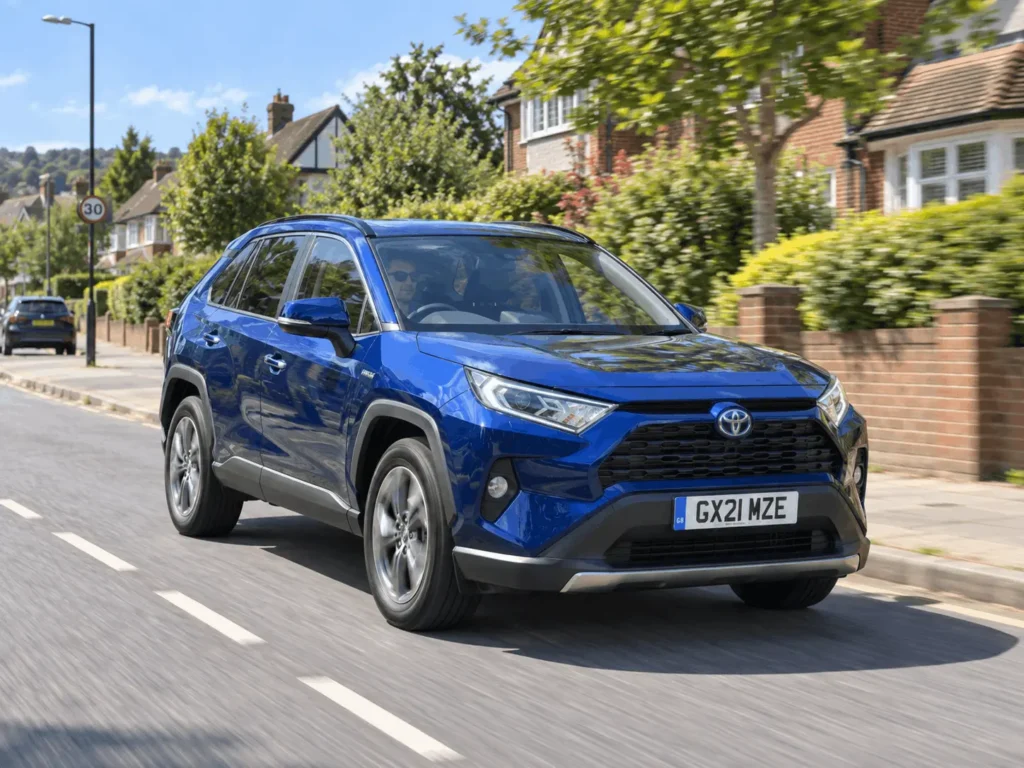
How Does Toyota GAP Insurance Work?
A simple example makes things easier. Say you purchase a Toyota for £35,000. Two years later, it is written off and your comprehensive insurer values the vehicle at £25,000.
There is now a £10,000 difference between what you originally paid and the current market value. With an eligible Return to Invoice GAP policy, the GAP insurer may contribute towards the difference between the motor insurer’s settlement and the original invoice price, subject to the policy terms, exclusions and selected claim limit.
Things work differently when finance or a lease is involved. If the finance settlement figure on that same Toyota was £28,000 while your motor insurer paid £25,000, there could instead be a £3,000 finance shortfall to deal with.
For an eligible lease or contract hire agreement, the relevant figure may be the amount required to settle that agreement rather than the original invoice price. In short, the gap you are trying to protect depends on how you got the keys in the first place.
So, Is Toyota GAP Insurance Worth It?
Whether Toyota GAP insurance is worth it comes down to the size of the financial risk you would otherwise be taking yourself. A useful question to ask is: If my Toyota disappeared from the driveway tomorrow and my motor insurer paid its current market value, would I be comfortable with the financial position that left me in?
If the answer is no, GAP insurance may be something you want to consider. There are several situations where the cover may feel particularly relevant.
Your Toyota Is Fairly New
Newer cars can lose value after purchase, meaning the difference between the invoice price and the vehicle’s later market value can grow.
You do not need to own a six-figure sports car for depreciation to hurt. A family Toyota can still represent a sizable amount of money. If you have recently bought a new Toyota and would struggle to absorb a large reduction in value after a total loss, GAP insurance may be worth considering.
H3: You Bought Your Toyota on PCP or Finance
Finance changes the calculation. The amount your Toyota is worth and the amount you still owe are two separate figures. They do not always fall at the same speed. If your insurer’s market-value settlement is lower than the eligible finance settlement figure following a total loss, you could potentially have a shortfall remaining.
That is one reason drivers asking “is Toyota GAP insurance worth it?” should pay close attention to their finance agreement rather than looking only at the value of the car.
You Have Leased Your Toyota
You do not have to own the Toyota outright for GAP insurance to be relevant. Contract Hire and Lease GAP is designed for eligible lease and contract hire agreements. Following an accepted total-loss claim, it may help with the difference between the comprehensive motor insurer’s settlement and the amount required to settle the agreement, subject to the terms and claim limit.
Nobody wants to hand back a car they no longer have. Even less appealing is being left with a bill attached to it.
You Paid a Significant Amount for the Car
The more money tied up in the Toyota, the more attention you may want to give to what happens following a total loss. That does not automatically mean GAP insurance is suitable. The potential financial difference still needs to be considered alongside the policy cost, cover level and your own circumstances. The key is the possible shortfall, not simply the badge on the bonnet.
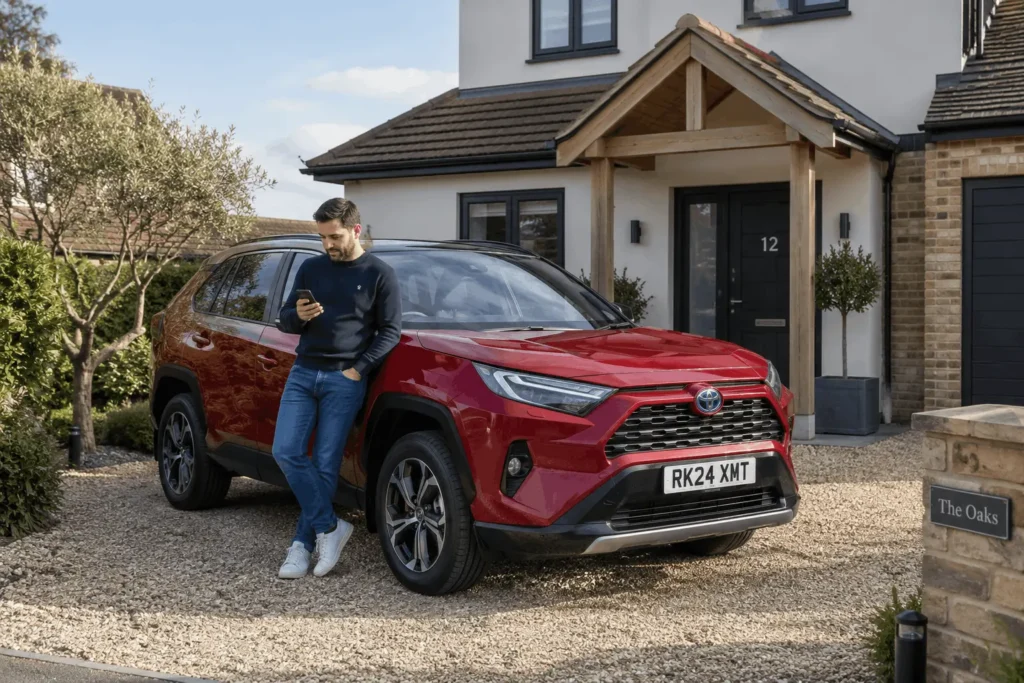
When Might Toyota GAP Insurance Not Be Worth It?
GAP insurance is optional. It is not a legal requirement for driving in the UK, and there will be drivers who decide they do not need it.
You may feel less need for GAP cover if:
- The potential difference between your Toyota’s market value and the relevant invoice or finance figure is relatively small.
- You have enough savings to comfortably cover any potential shortfall yourself.
- Your existing comprehensive motor insurance already provides suitable replacement cover during the period you are concerned about.
- Your circumstances mean the extra protection offered by the available GAP policy has little financial value to you.
- The vehicle or circumstances do not meet the insurer’s eligibility requirements.
It is worth reading the policy wording rather than assuming all GAP policies work in exactly the same way. A cheap policy that does not provide the type or level of cover you expected is not exactly the bargain of the century.
Does the Toyota Model Make a Difference?
Potentially. Different cars can depreciate at different rates, and vehicle values can be affected by factors such as age, mileage, condition, specification and wider demand.
That means someone considering GAP for a Toyota Yaris may be looking at a very different financial position from somebody buying a RAV4, Corolla, C-HR or a newer electric Toyota.
Rather than assuming that GAP is or is not worthwhile because you drive a Toyota, look at your specific vehicle and purchase. The question is not simply whether Toyotas depreciate. It is whether your Toyota could lose enough value to leave you with a financial gap you would rather not pay yourself.
Is Toyota GAP Insurance Worth It on a Used Car?
It can still be worth considering. GAP insurance is often associated with cars fresh from the showroom, but used cars can continue to depreciate too.
A second-hand Toyota may still have cost you a substantial amount of money. If the market-value settlement following a total loss could be much lower than the eligible amount protected by the GAP policy, there may still be a meaningful difference.
Eligibility requirements apply, so the age of the vehicle, when it was purchased and other policy conditions will need to be checked. Second-hand does not automatically mean small change.
Is Toyota GAP Insurance Worth It on PCP?
It may be, particularly where the finance settlement could remain above the Toyota’s market value. With PCP, you usually make a deposit followed by monthly payments, with an optional final payment at the end if you decide to keep the car.
If the Toyota is written off part-way through the agreement, your motor insurer’s settlement and the amount connected to the finance agreement may not match. GAP insurance may help with an eligible difference, depending on the type of policy, its conditions and the claim limit.
One important point is that negative equity carried across from a previous vehicle into a new finance agreement is not automatically part of the eligible GAP claim. The policy documents should be checked carefully.
How Much Toyota GAP Cover Should You Choose?
Think about the amount of depreciation that could reasonably affect your Toyota and the financial difference you want the policy to address.
The selected claim limit matters because GAP insurance does not provide an unlimited payout. The maximum amount available will depend on the cover chosen and what is shown in the policy schedule.
You should also think about how long you expect to keep the Toyota. If you normally swap cars every three years, for example, a longer period of cover may not have the same relevance to you as it would to somebody planning to keep their car for much longer.
The policy should fit the car and the way you intend to own or finance it, rather than being bought simply because GAP insurance was offered.
What Could Stop Toyota GAP Insurance From Paying Out?
GAP insurance has terms and exclusions just like other insurance policies. One of the most important points is that your main motor insurer generally needs to accept the underlying total-loss claim. If the comprehensive motor insurer refuses the claim, the GAP insurer will not normally step in and replace it.
Claims can also be affected by circumstances set out in the policy wording, including fraud and how a replacement vehicle offer from the main insurer is handled. The exact exclusions depend on the policy, which is why the Insurance Product Information Document, policy wording and schedule should be checked before buying. GAP is an extra layer of cover. It is not a replacement for comprehensive motor insurance.
Questions to Ask Before Buying Toyota GAP Insurance
Still deciding whether Toyota GAP insurance is worth it for you? Run through a few questions first:
- What did I originally pay for my Toyota?
- What is the car likely to be worth during the period I want covered?
- Do I still have finance to settle?
- Is the Toyota leased or on contract hire?
- What would my comprehensive motor insurer pay following a total loss?
- Could I afford a sizable shortfall myself?
- What is the maximum claim limit on the GAP policy?
- Are there any exclusions that affect me or my Toyota?
- How long do I actually need the cover?
Those answers should give you a much clearer idea of whether the additional cover has value for your circumstances.
FAQs About Whether Toyota GAP Insurance Is Worth It
Is Toyota GAP insurance worth it?
It depends on your financial circumstances, your Toyota and how you purchased or financed it. GAP insurance may be worth considering if a total loss could leave a sizeable difference between your comprehensive motor insurer’s settlement and the eligible invoice price, finance balance or lease settlement covered by your policy.
Do I legally need GAP insurance for my Toyota?
No. GAP insurance is optional in the UK. It is separate from the motor insurance you are legally required to have to use a vehicle on public roads.
Is Toyota GAP insurance worth it on finance?
It may be relevant where the amount needed to settle eligible finance is higher than the market-value settlement provided by your comprehensive motor insurer. Whether it represents good value for you depends on the potential shortfall, policy cost and your ability to cover that difference yourself.
Can GAP insurance cover a leased Toyota?
Eligible leased and contract hire vehicles can be covered by Contract Hire and Lease GAP. The cover may contribute towards the difference between the motor insurer’s settlement and the eligible lease settlement balance, up to the claim limit and subject to the policy terms.
Will Toyota GAP insurance pay the full value of my car?
Not necessarily. GAP insurance is designed to provide an eligible top-up to your main motor insurer’s settlement. What it works towards depends on the type of policy and could relate to the original invoice price, eligible finance balance or lease settlement. Maximum claim limits and other policy conditions apply.
Does Toyota GAP insurance cover negative equity?
Negative equity brought across from a previous vehicle and added to a new finance agreement is not covered. Only finance relating to the new vehicle purchase is covered in that context.
Can I get Toyota GAP insurance for a used car?
Potentially, yes. Used Toyotas may qualify for GAP insurance provided they meet the insurer’s eligibility criteria. Check the vehicle age, purchase date, value and other requirements before buying.
Expert Insight
“The question isn’t whether every Toyota owner should have GAP insurance. It’s what position you would be left in if the car became a total loss tomorrow. Compare the insurer’s likely market-value settlement with what you paid or still owe. If there’s a financial difference you wouldn’t be comfortable covering yourself, that’s when GAP becomes worth considering.”
Nick, Insurance Specialist at Insureworks.
Want to Compare Toyota GAP Insurance?
Still asking “is Toyota GAP insurance worth it for me?”. You can compare GAP insurance options through Insureworks and see what cover may be available for your Toyota. Get a Toyota GAP insurance quote online today.
We keep things clear, straightforward and free from unnecessary insurance speak. Check the policy information carefully, choose the cover that fits your circumstances and make sure the details you provide are accurate. Because Toyota may have built the car, but sadly they haven’t found a way to engineer depreciation out of it yet.